
Housekeeping. Boring but necessary.
This week was a housekeeping week.
As we get ready to open up for our first beta users, we've started testing all the admin and day-to-day functions of the app with Lovable. Not the flashy stuff. The plumbing. The things that just have to work before real people start relying on them.
The big one this week was the password reset. We ran into some issues with it, and after a fair bit of back and forth, we made the call to switch to a system that uses an OTP (one-time PIN) instead. It meant some recoding, but I'm really happy with the decision. This is a finance app that works with people's actual business finances, so getting the basics right isn't optional. It was the right call to make.
What was also great this week: I got to lean on my MicroConf peers. I put the question to the group, and the recommendation that came back was the same one Lovable gave me. Go for the OTP option. There's something reassuring about getting the same answer from two directions, especially when you're a solo founder making these calls on your own.
And that was pretty much the week. Nothing flashy, nothing exciting to show off. But here's the thing: if a user can't reset their password, they drop off. They stop using the app. That one small, boring, invisible function is the difference between someone sticking around and someone giving up on day one.
So yes, boring but important. Some weeks are for the plumbing, and this was one of them. 🔧
What we're reading
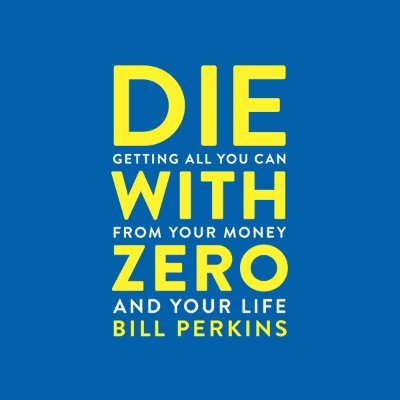
Die With Zero — Bill Perkins
I carried on with this one from last week, and I'm really enjoying it. The biggest thing it's challenged for me is this idea of not just thinking about the numbers, but tying those numbers to a specific age. That was a real eye opener. The reality is you have peak spending years where you can get the most out of your money, and as you get older, you just can't do as many of the things you might want to. Having a whole bunch of money saved up but not the physical ability to actually use it is something a lot of people don't take into account. I've been thinking about it quite a bit since, working out what my own peak spending years look like and how I'd shift things around them.
Check it out →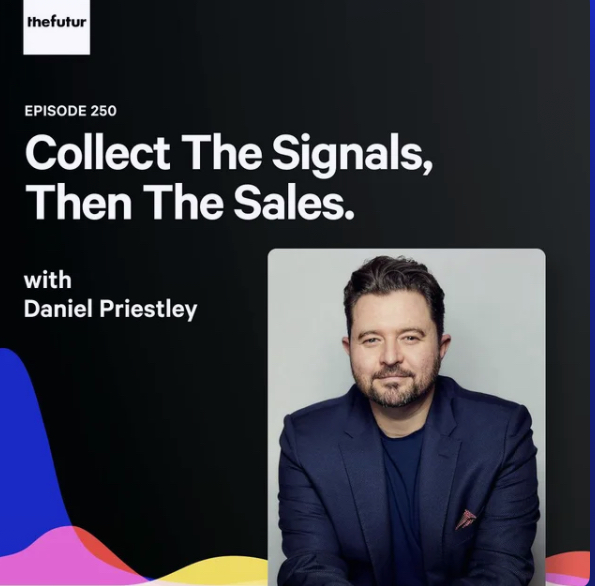
What we're listening to
The Futur with Chris Do — Have People Lining Up To Do Business With You with Daniel Priestley
This is an older episode, but I go back to it every so often. The thing that always pulls me back is Daniel Priestley's approach to building demand before you even start selling. Getting people to sign up, show interest, and even put money down before the product is fully built. It lines up closely with what Rob Walling talks about with building in public. A different way of thinking about the same idea: get people's input and interest before the whole thing is finished. Which is the whole point of this build diary, and of building in public.
Check it out →